
My Activity Tracking
5
kms
My target 5 kms
We Did It Team!
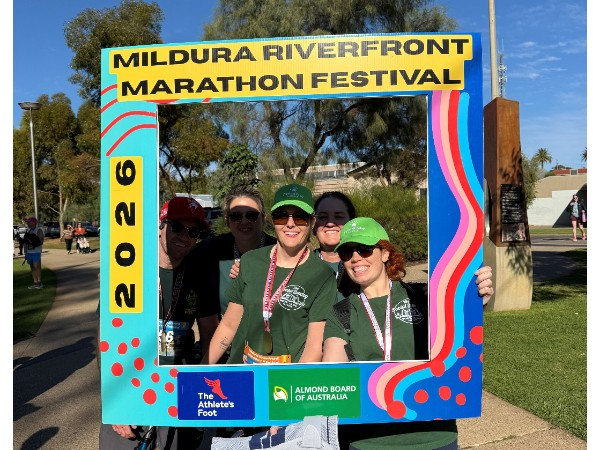
We are Mildura Bound
We are on our way💚
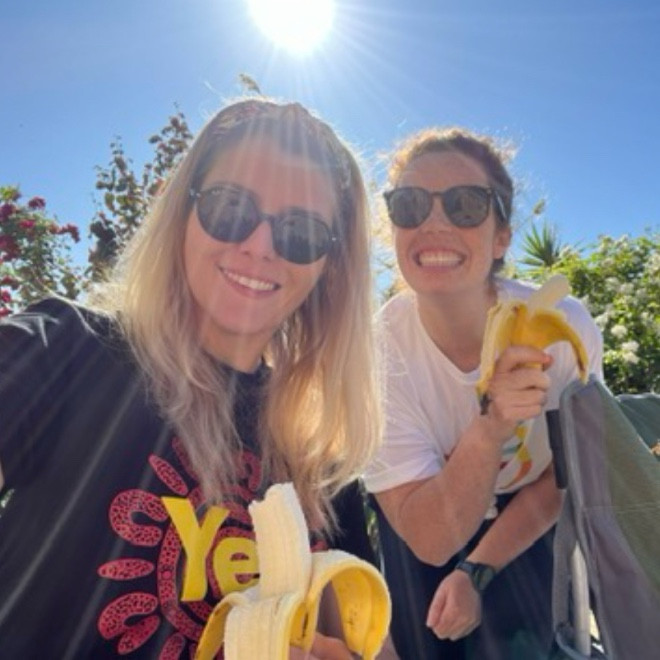
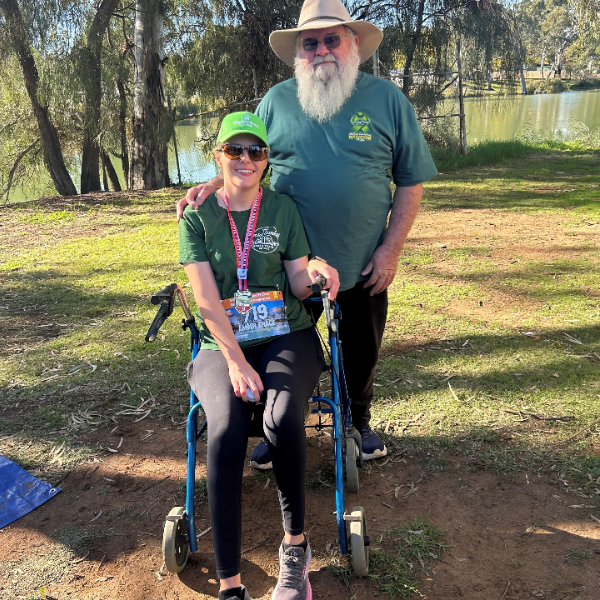
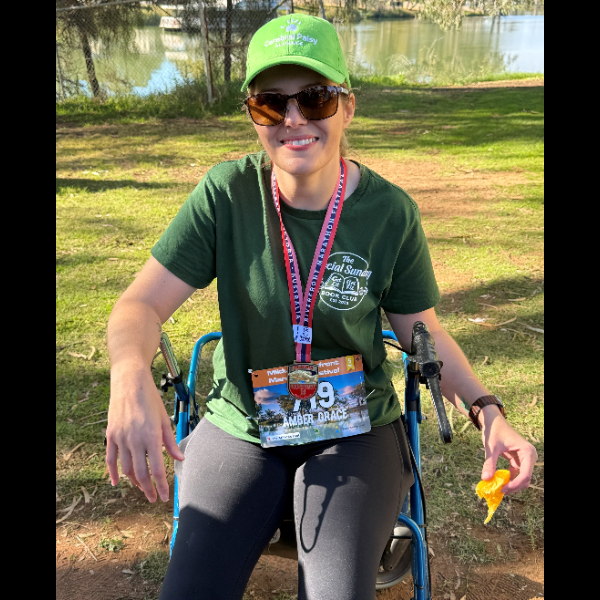
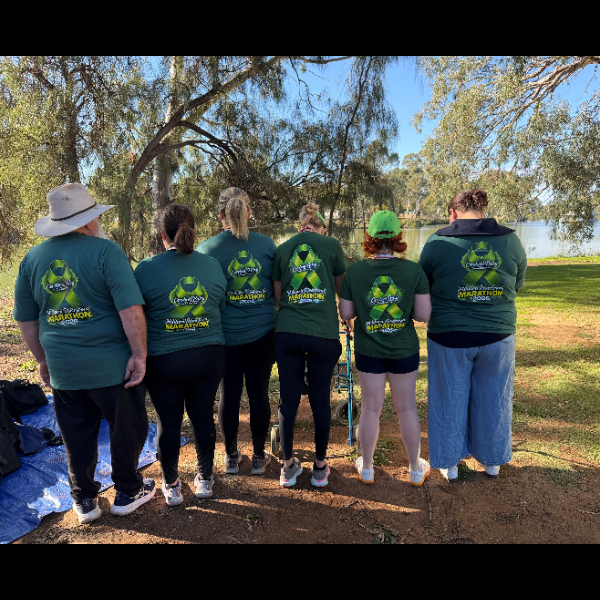
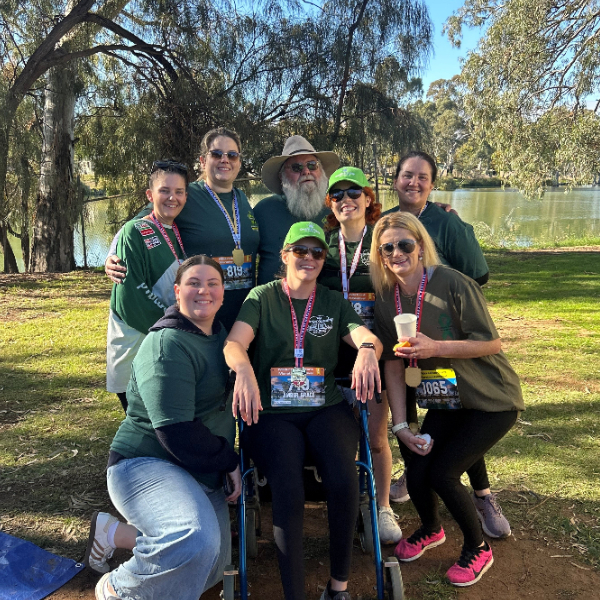
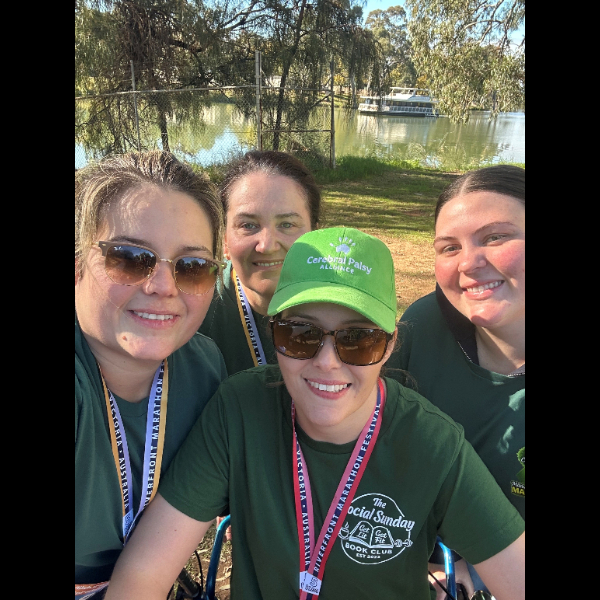
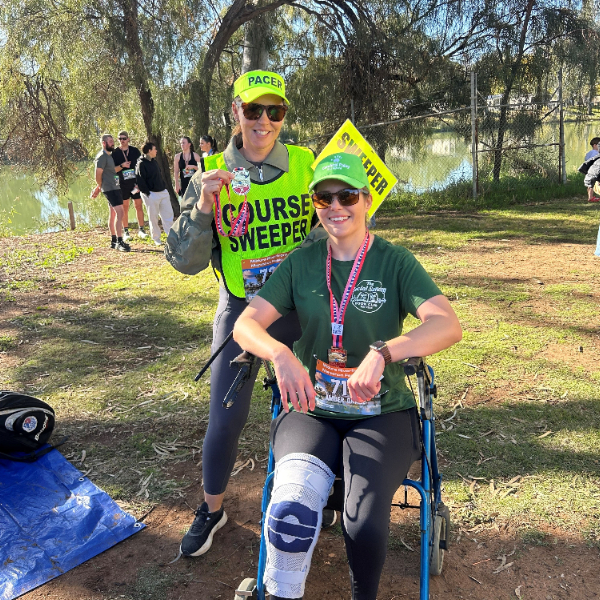
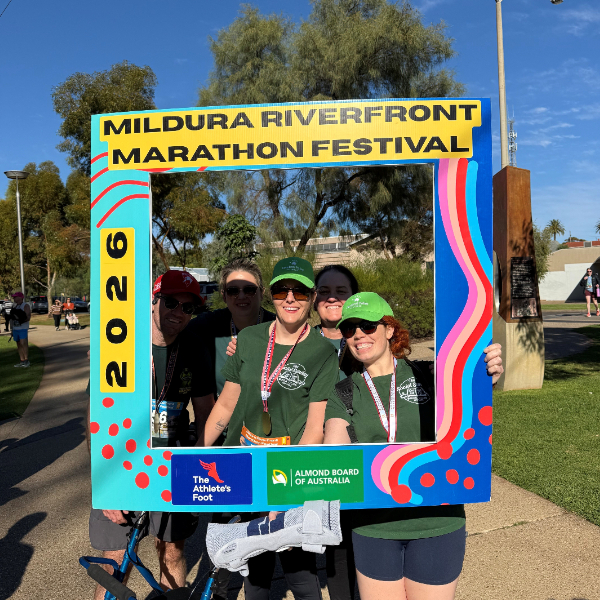
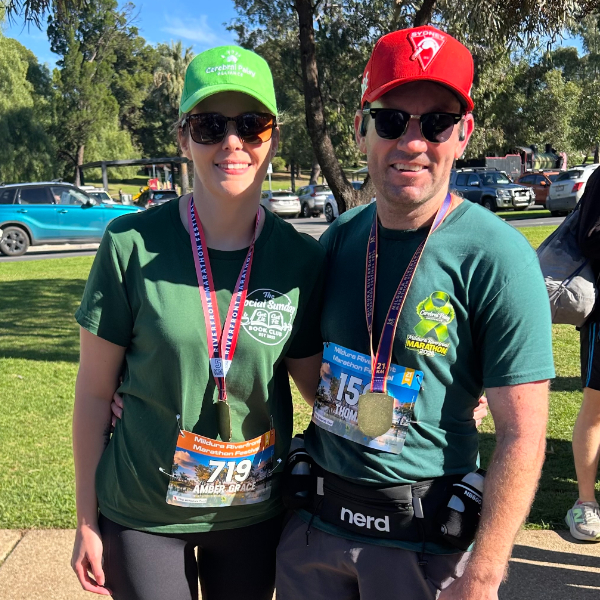
We are taking on the Mildura Riverfront Marathon 5km tomorrow as The Social Sunday Book Club – Get Lit, Get Fit 📚🏃♀️
A lot of people will see me at the start line with a walker and a knee brace(along with our cool shirt and hat). What they won't see are the years of therapy, appointments, treatments, surgeries, support and determination that helped get me here.
That's why today means so much.
Thank you to everyone who has supported our fundraiser for Cerebral Palsy Alliance. You've helped turn a simple 5km walk into a way I can give back and support others like me.
If you've been thinking about donating, there's still time! Every dollar helps support research and services for people with cerebral palsy and creates opportunities for greater independence and inclusion.
Wish us luck! 💚
The final Countdown is on!
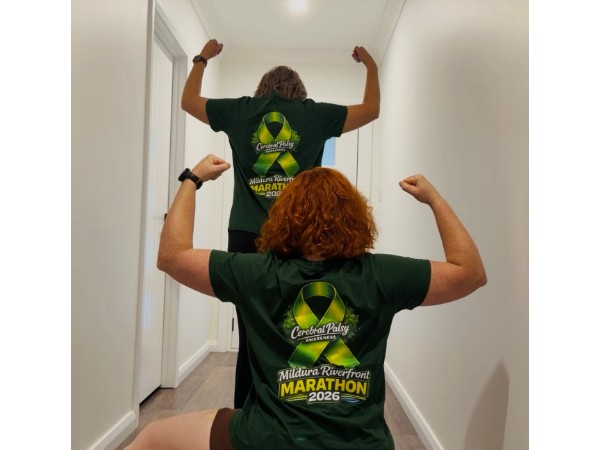
Less than one month to go until the Mildura Riverfront Marathon! And thanks to you absolute legends, we haven’t just reached our goal we’ve smashed it, raising over $3,000 so far. Honestly it’s incredible.
As most of you know, Rosie and I have been hitting the gym and getting fit, along with a sneaky cuppa and Tim Tam here and there. However, as life loves to remind us, when I’m involved nothing ever goes entirely to plan. True to form, my body has decided now is the perfect time to throw in a plot twist.
The good news: we’re still walking the
5km.
The plot twist: due to a pesky knee, an upcoming surgery, and my long standing
talent for complicating things, I’ll be tackling it braced up and rocking my
trusty walker. But fear not Rosie has been smashing the weights, and if need
be, she has promised to either carry, drag, push, or simply roll me across the
finish line when the time comes.
Seriously though, thank you all so much for your generosity, encouragement, and support. Every donation helps raise awareness and makes a real difference for the CP Alliance and we couldn’t do this without you.
Knees in Chaos: A Surgical Guide to Keeping Your Kneecap in Line
Fast‑forward a few years, I’m minding my own business in the DVD section at Big W you know, a really dangerous place, when suddenly… I tear my ACL.
Yes. In the DVD aisle.
Isn’t this how everyone does it? Extreme bargain shopping? High‑risk, high-reward
To be fair, it wasn’t all the DVD section’s fault. My knees had been dislocating on their own every few days for a while now, but I was very busy with school and work, so I didn’t mind up until this point. Eventually, after a few MRIs and me finally admitting “hmm, maybe knees shouldn’t do that,” Back to the specialists we went.
And what did they say?
“Oh! You don’t just need ACL surgery, you need the full knee renovation package.”
So, onto the list went: MPFL reconstruction Patella stabilisation Tibial tubercle transfer
Here’s the short version, translated into how I heard it.
- MPFL reconstruction → Rebuilds the internal ligament that’s supposed to stop your kneecap from yeeting itself sideways.
- Patella stabilisation → Tightens or loosens the soft tissues so the kneecap tracks like it’s actually meant to.
- Tibial tubercle transfer → Moves part of the bone on your shin so your kneecap stays in its assigned seating
- ACL reconstruction → Fixes a torn knee ligament so your knee stops wobbling, buckling, or betraying you every time you twist or change direction.
Unfortunately, once they got a proper look at my right knee, it turned out to be in even worse shape than anyone expected. It was basically held together by hopes, dreams, and maybe some determined ligaments.
So, to stop old lefty from eventually following in its dramatic footsteps, the specialists decided that I’d be back in the operating room in November that same year to have the exact same procedure done on the left knee.
The plan? Fix it early, preserve what cartilage I had left, and keep me walking for as long as possible.
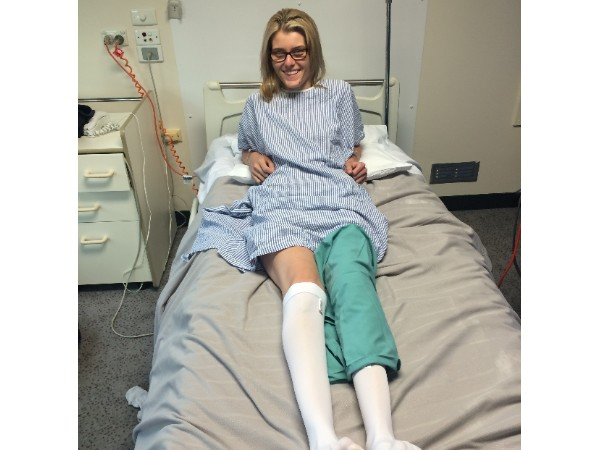
Preventative maintenance is not just for cars, apparently. To sum it all up here is a photo of me smiling because I cope with stressful situations by being my most hilarious self 😅
The More You Know- Calf Recessions
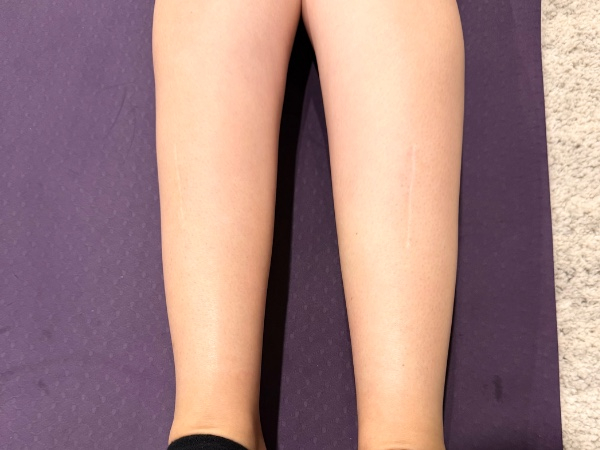
Picture this I’m 14, working after school at Bakers Delight, smelling like fresh bread 24/7 and living my best life. Meanwhile, my legs were doing their own thing. Mostly that meant walking on tiptoes, but man did I look toned!
As I got older and grew, the serial casting, Physiotherapy and Botox treatments that once helped my legs keep up with life just weren’t cutting it anymore.
My specialists looked at me, looked at my calves, and said, “Time to bring in the big guns.” The big guns, apparently, were something called bilateral calf recessions, which sounds like my calves took a midlife crisis trip to Bali. (I have always wanted to go there and get that bintang singlet 😂) but honestly it was pretty cool because my surgeon said they do a zoro cut in the muscle because it’s a z shape, and do love my movies!
So, just before my 15th birthday, we went for it!
The surgery helped so much, my toe walking got less, walking didn’t hurt as much, and best of all, I no longer had to repeatedly endure cryotherapy on the corns on the bottoms of my toes.
In short: fancy calves, fewer icy torture sessions, and one step closer to achieving my goal of becoming a chef!
The Calf Muscle: More Than Meets the Eye
When most people think of the calf, they picture that bulge at the back of the lower leg. But did you know your calf is actually made up of two powerful muscles working as a team?
Meet the Calf Duo
1. Gastrocnemius
This is the big one, the muscle you see when you flex your calf. It has two heads that attach to the lower end of your thigh bone (the femur), giving it that familiar shape.
2. Soleus
Sitting underneath the gastrocnemius, the soleus is smaller and flatter but incredibly important, especially for activities like walking and standing.
Together, these two muscles form the Achilles tendon, which attaches to the heel bone. This is the powerhouse system that helps you push off the ground, run, jump, and stay balanced.
Tightness in the calf isn’t just uncomfortable, or painful it can trigger a whole chain reaction.
If these symptoms don’t improve with stretching, strengthening, physio and other treatments this is where the surgery came in.
The purpose of this procedure usually called a gastrocnemius release or calf recession is simple, Lengthen the tight calf muscle.
By releasing some of the muscle it allows the muscle to stretch more easily.
Once the release was done my legs were placed in a cast to support healing and maintain the new length. After that I wore a splint to allow the muscle to continue stretching gradually while it recovered.
It’s a process but for 15 year old me it gave me significant relief after long-term pain and mobility issues.
Here is a photo 18 years on… Look at these bulging muscles. Ignore lefty she’s always been a bit wonky, never cooperates 😂
Botox Injections - The More you Know
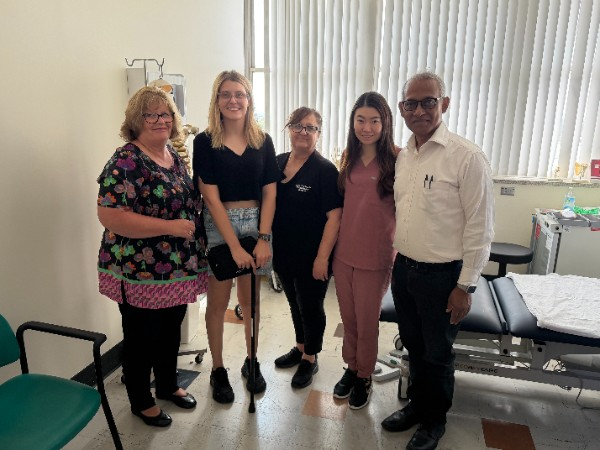
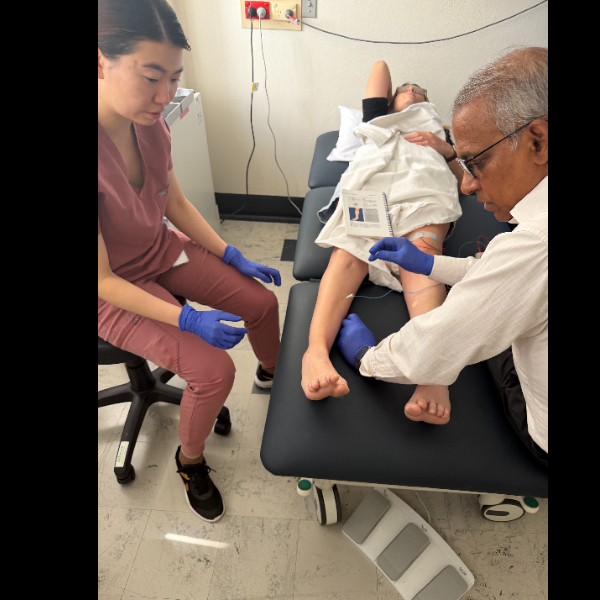
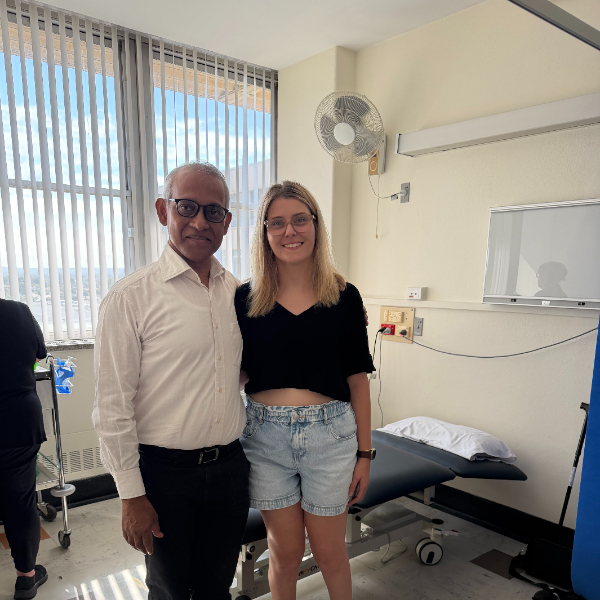
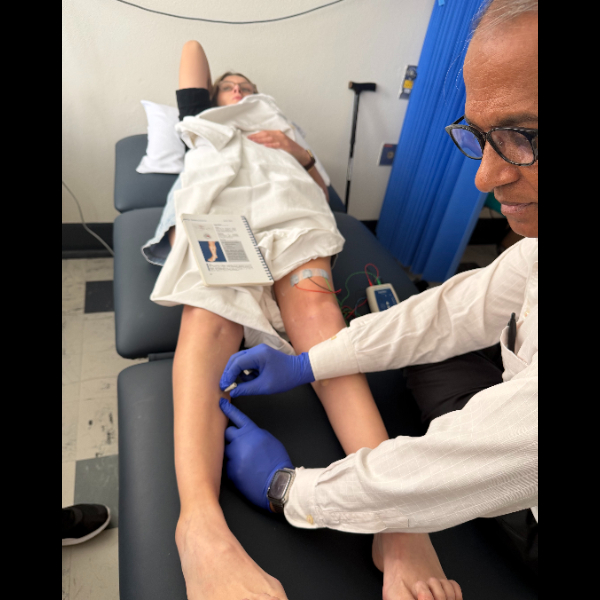
This week I traveled to Adelaide for my Botox treatments, they are something that helps manage muscle tightness and keeps me moving well.
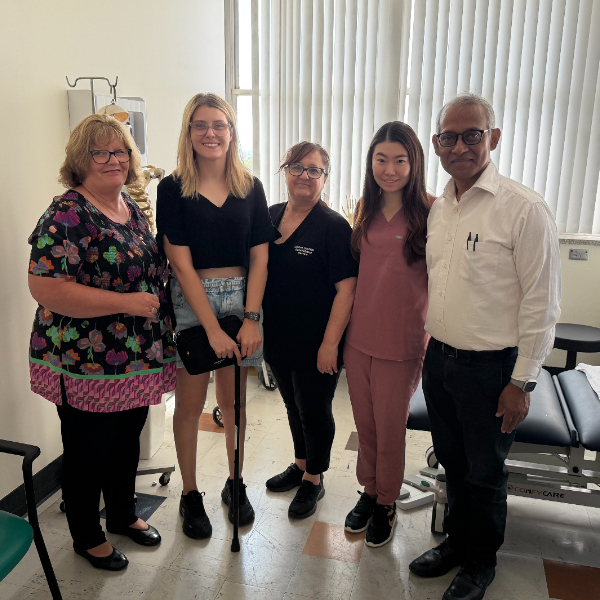
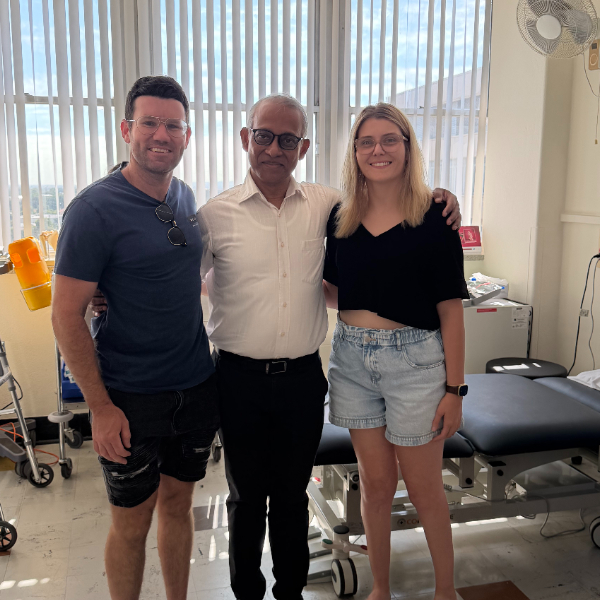
My Botox is administered Professor Anupam Datta Gupta and his amazing team at the Queen Elizabeth Hospital Spasticity Clinic. Thanks to the care and hard work they do I am able to manage my pain and walk a little better for a while 🥰
The botox goes straight into the muscles using EMG (Electromyography). EMG is a tool that “listens” to your muscles.
Inside every muscle, tiny electrical signals fire when the muscle is active. EMG uses a small needle or surface sensor to detect these signals. When the doctor is preparing to inject Botox, EMG helps them:
- Find the exact muscle causing the problem
- Confirm the muscle is active or over‑active
- Guide the needle to the right spot inside the muscle
It’s one of those small but mighty reminders of how far medical treatment has come. Years ago, this kind of support didn’t exist, and now I get an annual anti‑spasm superpower boost.
Science = 1 | Muscle Spasms = 0.
That progress is exactly why I’m walking 5km at the Mildura Riverfront Marathon on 7 June and raising money for the Cerebral Palsy Alliance, because organisations like them and the medical professionals I am lucky to have are constantly pushing boundaries, funding research, delivering support, and opening doors that simply didn’t exist not all that long ago.
Here’s how I understand that it works, remembering I am no doctor…
Botox (botulinum toxin type A) is widely used to help manage spasticity, one of the most common symptoms of cerebral palsy. Spasticity occurs when damaged areas of the brain send too many “contract” signals to the muscles, leading to tightness, stiffness, spasms, and difficulty moving.
Botox helps by essentially turning down the volume on those overactive nerve messages. With fewer “contract” signals, the injected muscles relax, spasms ease, and movement becomes more comfortable.
The effects aren’t permanent the nerves eventually regenerate. The result for a little while at least means less muscle tightness, better range of motion, improved posture and gait and a bit less pain.
So here’s to another year of science, muscle‑taming magic, and walking without accidentally flinging objects along the way. Cheers to progress and to not spilling anything as I go.
My Journey and the More You Know: Serial Casting
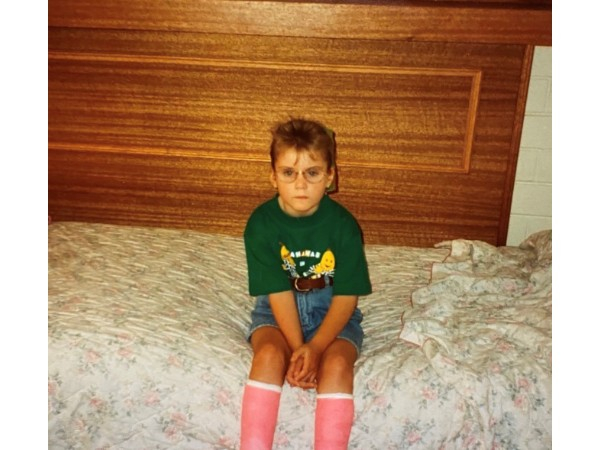
Serial casting is a therapeutic technique often used to support children with cerebral palsy who experience shortened muscles due to spasticity. When muscles remain contracted for long periods, they restrict a joint’s range of motion, leading to stiffness and limited mobility. Serial casting helps address this by gently guiding the muscles into a longer, more flexible position over time.
So how does it work?
A cast is applied to hold the affected joint in a fixed position, creating a
small, continuous stretch on the muscle. This steady tension encourages the
muscle fibers to gradually lengthen and loosen. Unlike active stretching, where
you move or hold a stretch yourself, this is passive stretching, meaning the
muscle is being stretched even when you are resting or not engaged in therapy.
Beyond increasing flexibility, serial casting also helps prevent spastic muscles from pulling limbs into abnormal positions. Left unaddressed, these positions can affect posture, walking patterns, and overall movement.
As the cast holds the muscle in a stretch, the tension naturally decreases as the muscle adapts. When this happens, the cast is removed and replaced with a new one that positions the muscle slightly further, allowing for gradual, safe progress over a set period of time.
It’s important to note that the benefits of serial casting aren’t permanent on their own. You could still need to use braces at night or follow-up stretches to help maintain the improved range of motion achieved through the casting process.
Cerebral palsy looks different for every individual there is no single experience, and no single treatment works for everyone. Serial casting can be incredibly helpful for some, while others may find better results with different therapies or approaches. That diversity is exactly why research and treatment options continue to evolve. The more we learn, the more personalised and effective the care becomes for every person living with CP. Anyways enjoy this photo of me wearing mine in my younger days!
I'm getting active to support people with cerebral palsy!
On Sunday 7 June, I’ll be walking 5km at the Mildura Riverfront Marathon to raise $1,000 for Cerebral Palsy Alliance.
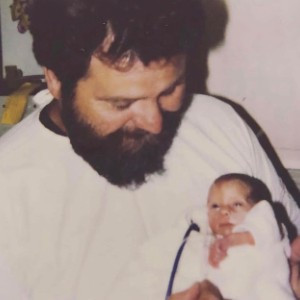
I was born 3 months premature and diagnosed with Spastic diplegia Cerebral Palsy, and growing up meant plenty of extra challenges, therapy and long trips to specialists but also incredible support from my family and medical team who never stopped believing in me.
Today, I’m proud to live and work independently, and I don’t take a single step for granted.
I’m taking on this 5km with my friend as part of our book club (which doubles as our PT sessions!) The Social Sunday Book Club – Get Lit, Get Fit and we’ll be wearing green to represent CP awareness.
Cerebral Palsy looks different for everyone. Every dollar raised will help fund vital research and support services so more people with cerebral palsy have the opportunity to build independence and reach their goals.
If you’re able to donate or share, thank you so much 💚
Together, we can make a difference! 💚
My Achievements

Uploaded A Profile Photo

Shared My Page

Received My First Donation
Logged My First Activity

Reached My Fundraising Goal
Thank you to my Sponsors
$54.84
Kel And Hash
$54.84
Burt Family
$54.84
Regan Chesterfield
You are a rockstar Grace 💜
$106.12
Stef
congratulations grace xxxx
$100
Julie 💚
$54.84
Anonymous
$11.80
Kerry
Good luck on this amazing journey
$215
Anonymous
$106.12
Katie Rawlins
Fantastic effort Grace. An inspiration to others who are living with Cerebal Palsy. Keep kicking goals!
$23.50
Liz White
Go Grace xx
$23.50
Diana Burke
Go Grace x
$54.84
Robyn Mcmaster
Well done Grace you are beautiful and I am so proud of you 💕
$20
Pat Obrien
$54.84
Paddy
Go Grace!!!!!! 👏🏽
$80.96
Byron
Go Grace!
$80.96
Deborah & Jas Mcmaster Wells
Go Grace & team.
$80.96
Elaine And Jack Wright
You can do this 😊 U have grit and determination👍💞💞💞💞
$54.84
Rachel Hammond
Go team !!
$54.12
Darriea
Your amazing.
$64.67
Kathy Seward
You go girl!
$106.12
Cindy Burke
So proud of you bub xx
$52.92
Jack
Onya Grace Love Jack
$52.92
Karen & Pete
You'll smash it!
$10
Debbie Farquhar
$54.12
Turtle
Love Turtle ❤️❤️
$54.12
Jo Nicholls
Good luck Grace. You are very inspiring. ❤️
$106.12
Creina Vlatko
You are an amazing human Grace! Very inspiring! xx
$50
Samantha Elliott
You’re amazing Grace! Good luck!
$1.04k
Roy Butler
Don’t go too fast Grace!
$22.58
Danielle Ryan
Good luck grace.
$43.60
Reubie
$22.58
Anthony Bradshaw
$33.15
Chloe
Love you ❤️❤️
$50

Well done Grace